You’re standing on the side of the road, staring at your vehicle. Maybe it’s a luxury sedan that just hit a mechanical dead end, or perhaps it’s a vintage project car you’ve spent months restoring.
The thought of a traditional “hook and chain” tow truck dragging your pride and joy across the asphalt is enough to make your stomach churn. You need a solution that prioritises safety, precision, and care.
This is where the tilt tray truck changes the game. In this guide, we’ll break down exactly what these powerhouse vehicles are, how they work, and why they are the gold standard for modern transport.
What is a Tilt Tray Truck?
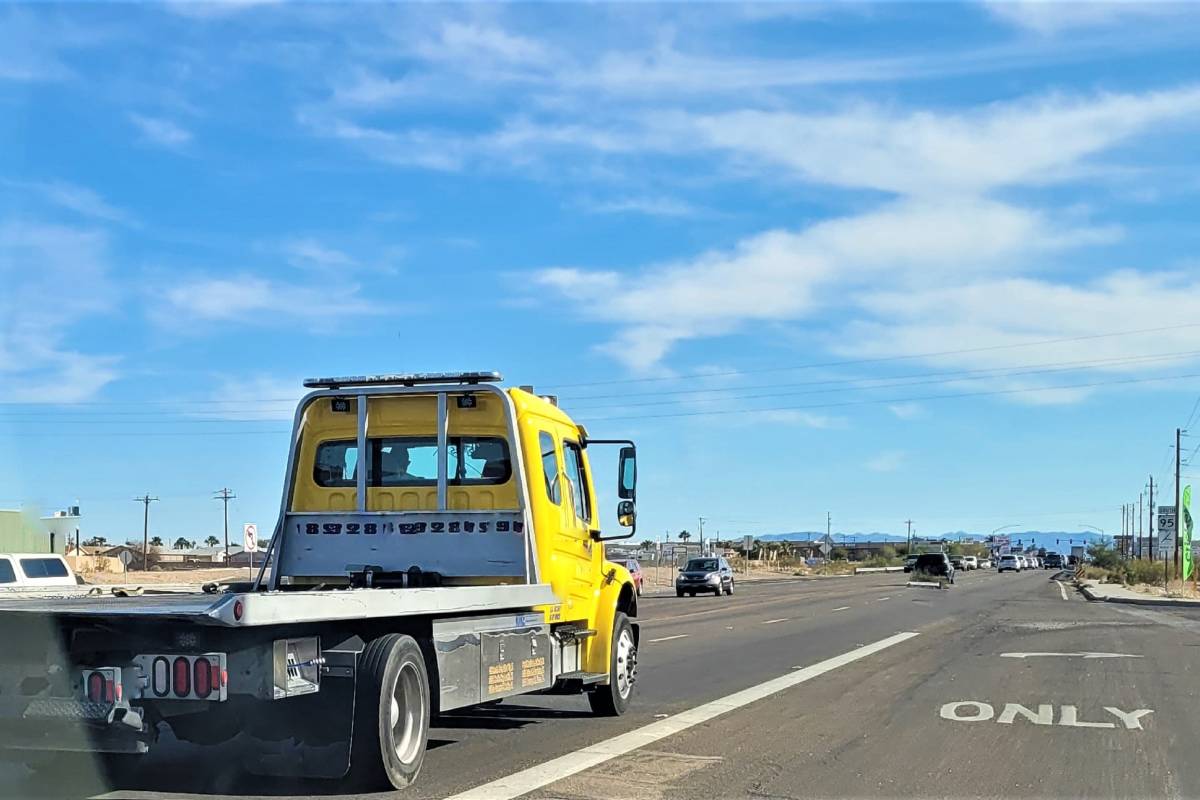
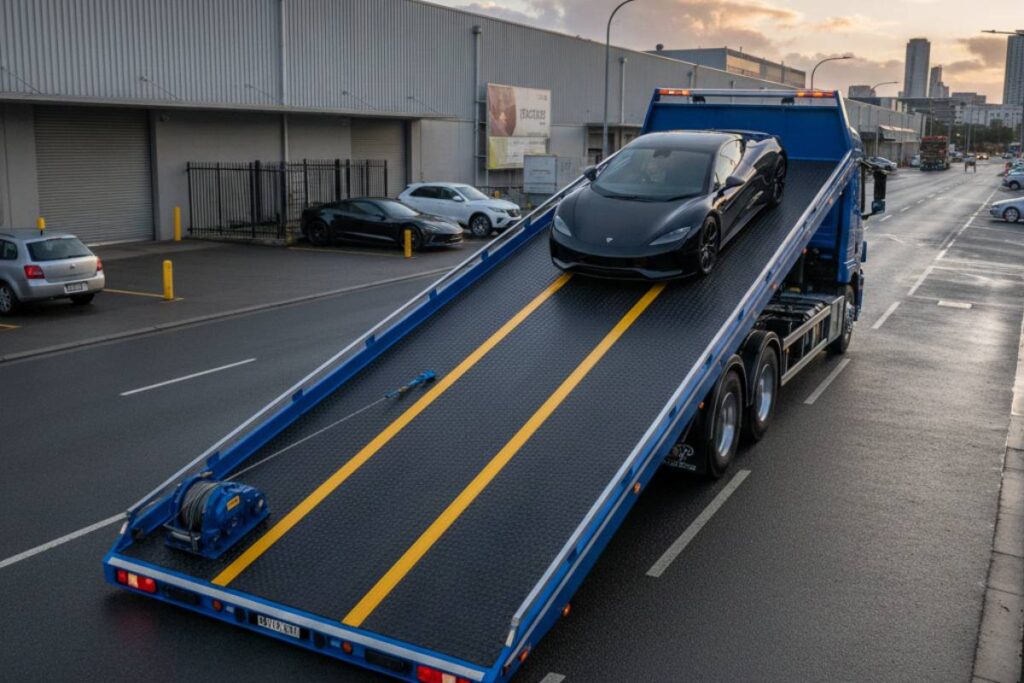
A tilt tray truck, also known as a “rollback” or “flatbed” tow truck, is a specialized transport vehicle featuring a flatbed rear platform that can be hydraulically tilted and slid to ground level. This creates a seamless ramp, allowing vehicles or machinery to be driven or winched onto the tray for damage-free transport.
How Does a Tilt Tray Truck Work?
The magic of the tilt tray lies in its hydraulic system. Unlike older towing methods that lift only one end of a car, the tilt tray moves the entire platform to meet the vehicle.
- The Slide: The operator engages the hydraulics to slide the tray backward.
- The Tilt: The tray angles downward until the rear edge touches the ground.
- Loading: The vehicle is either driven onto the tray or pulled up using a heavy-duty electric winch.
- Securing: Once the tray is leveled and retracted, the vehicle is secured using four-point tie-down straps or chains.
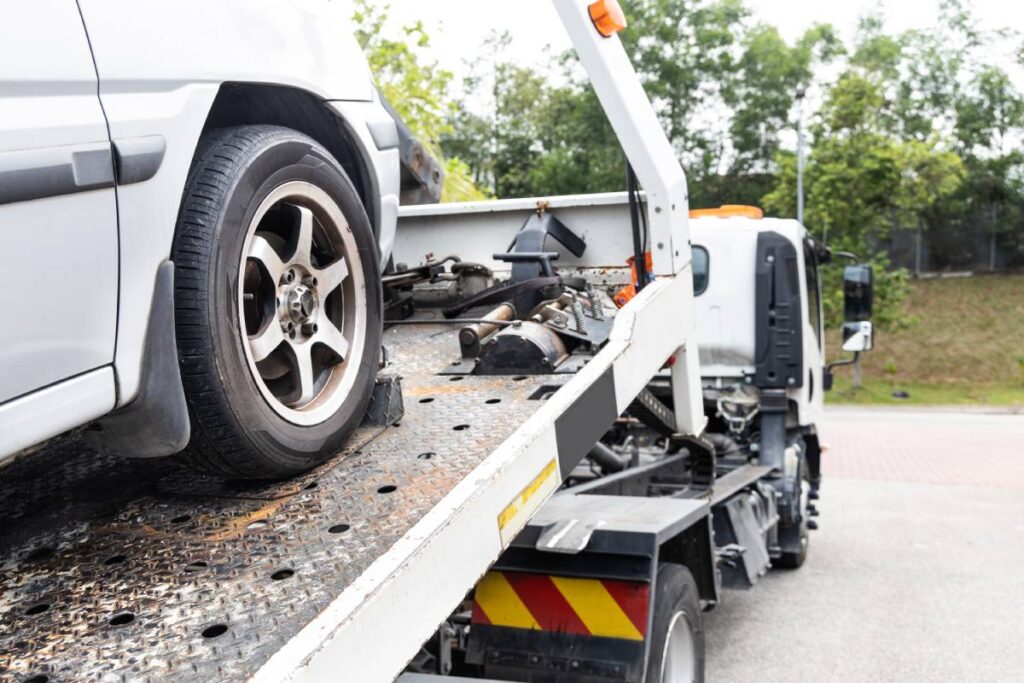
Key Takeaway: Because the vehicle sits entirely on the bed, there is zero contact between the car’s wheels and the road during transit.
Tilt Tray vs. Traditional Tow Trucks
Why choose a tilt tray over a standard “spectacle lift” or “hook” truck? The difference comes down to risk management.
| Feature | Tilt Tray Truck | Traditional Hook/Cradle |
| Ground Clearance | Ideal for low-profile cars | Risk of bumper scraping |
| Drivetrain Safety | Safe for AWD and 4WD | Can damage transmissions |
| Distance | Best for long-haul | Best for short “repossession” |
| Versatility | Moves cars, sheds, and containers | Limited to wheeled vehicles |
Key Benefits of Using a Tilt Tray
When you book a tilt tray, you aren’t just paying for a tow; you’re paying for peace of mind.
1. Superior Safety for All Drivetrains
Modern All-Wheel Drive (AWD) and 4WD vehicles can suffer catastrophic transmission damage if towed with two wheels on the ground. A tilt tray eliminates this risk entirely by carrying the full weight of the vehicle.
2. Perfect for Low-Clearance Vehicles
If you own a sports car or a lowered vehicle, traditional towing is your enemy. The gentle angle of a tilt tray ensures your front splitter and undercarriage remain untouched.
3. Precision Loading
If your car has a steering lock issue or broken axles, it can’t be “towed” in the traditional sense. A tilt tray winch can carefully pull a disabled vehicle onto the bed regardless of its mechanical state.
Common Use Cases: More Than Just Cars
While they are the heroes of roadside assistance, tilt tray trucks are the “Swiss Army Knives” of the logistics world. By bridging the gap between specialized recovery and general freight, these vehicles have become a cornerstone of efficient inland transport in logistics, ensuring assets move seamlessly across the supply chain. We frequently use them for:
- Accident Recovery: In complex scenarios where a vehicle is off-road or immobilized, operators may also utilize a tilt trailer for recovery to navigate tighter spaces or provide additional hauling capacity for multiple wrecked units.
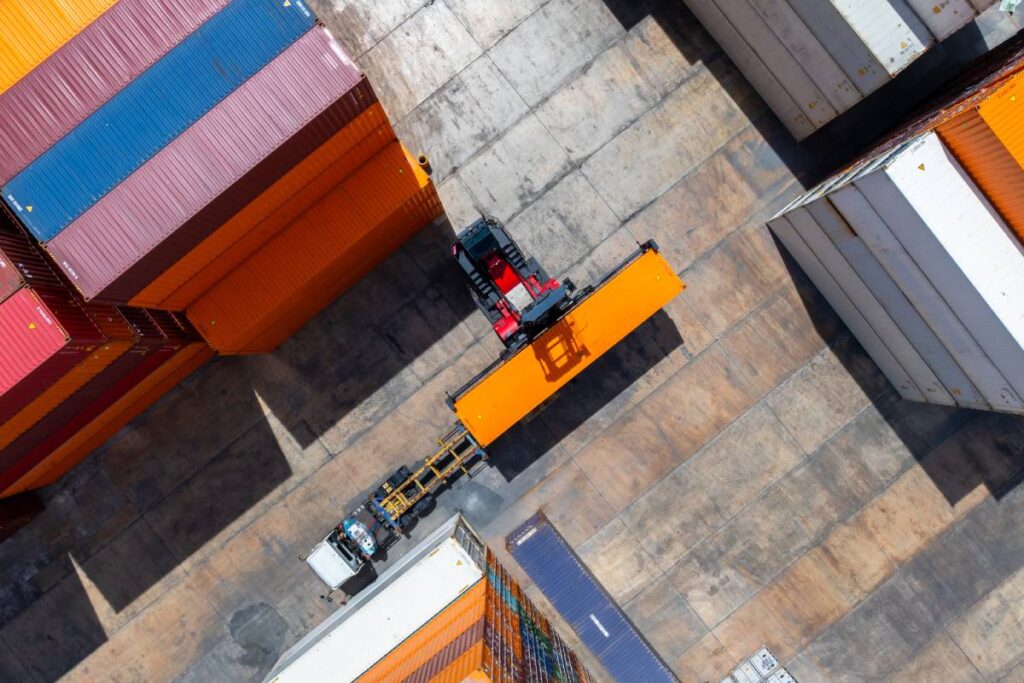
- Shipping Containers: 20ft containers can be loaded and dropped with surgical precision.
- Heavy Machinery: Moving forklifts, excavators, and tractors between construction sites.
- Portable Buildings: Site offices and “granny flats” are easily transported via wide-bed tilt trays.
- Prestige Transport: Moving luxury or classic cars to showrooms or auctions without adding a single mile to the odometer.
The Verdict: Why It Matters
Understanding what a tilt tray truck is helps you make an informed decision when you’re in a high-stress situation. Just as a responsible owner takes the time to learn why some cars need AdBlue, knowing exactly which type of tow truck your vehicle requires is a critical part of protecting your investment. If you value vehicle integrity, safety, and versatility, there is simply no better option on the road today.
Are you planning to move a vehicle or piece of equipment soon? Make sure to ask your provider specifically for a “Tilt Tray” to ensure your assets are handled with the highest level of care.